
Identifying optimal vines in a changing climate
The Battle Creek Research climate change study
Reducing water use while maintaining grape quality and production in a warming world.

This study examines water use reductions in viticulture under hot, dry conditions. Using a common-garden study (35 grape varieties) in Shasta County California, we will evaluate plant physiological, structural, and yield responses to irrigation treatments and a simulated drought. Plant responses will be evaluated using optical and thermal sampling at the leaf and canopy scales (proximal remote sensing), along with additional assays. We hypothesize that plant resilience under hot, dry conditions can be measured as an “optimal” response (assessed through a combination of optical and thermal metrics) that represents a balance between excess radiation under stress (which is damaging) and insufficient radiation (which reduces photosynthesis and growth).
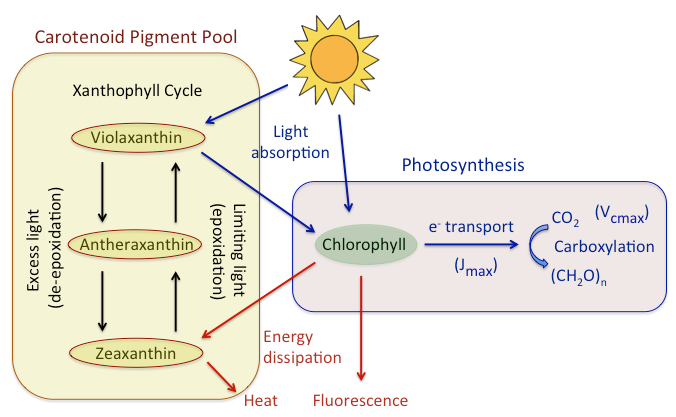
We predict that resilient plants will more effectively recover from heat and drought, better retaining growth and productivity. We also predict that plants showing this optimal response will possess superior berry chemistry for wine production.
Outcomes will include demonstrated methods for establishing drought-tolerant vines suitable for dry-farming or limited irrigation. We will also select cultivars tolerant of reduced irrigation or dry farming and resilient under heat and drought. Benefits will include the establishment of protocols for selecting drought-tolerant cultivars leading to demonstrable reductions in water usage while maintaining yield and grape quality. This study will be of wide benefit not only to viticulture, but to other crops facing the challenges of hot-dry conditions