About us
Understanding wine and vines from the roots up
What makes a great wine? That’s a matter of debate among wine lovers, but one thing most vintners agree upon is that grapes from vines receiving a little stress make much more interesting wines.
The question is: how much stress? Too much stress results in wines with tough tannins and limited fruit. Too little stress and the wines are thin and flavorless.
At Battle Creek Research, we grow many varieties of grapes to see which vines perform best under hot dry conditions. [Surviving heat and drought while producing good fruit and a balanced, flavorful wine is the goal.]
The beginning
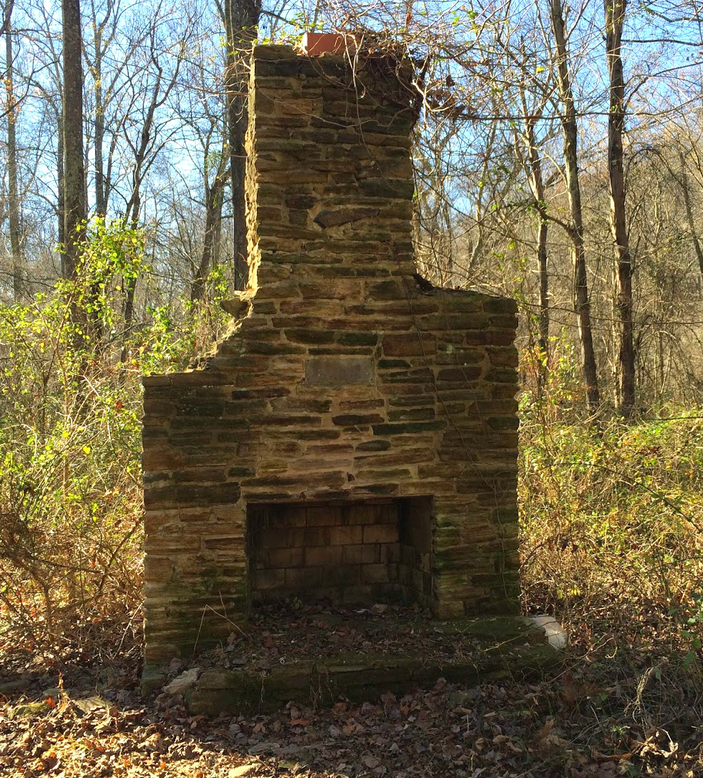
The Shasta County region where Battle Creek Research is situated saw a vast increase in population in the mid-1800s due to the gold rush, with gold being discovered on Rock, Middle and Salt creeks, near Shasta, California. We believe that the vineyard land was farmed at this time, and we were told that asparagus was a primary crop at one point.. The region’s gold supply became depleted, and by the 1920s, the local population had declined substantially. Battle Creek Research land lay fallow until the 1990s, when an extensive vineyard was planted. However, the maintenance and irrigation required to keep the vines alive in the hot, dry climate proved challenging and the vineyard was abandoned.
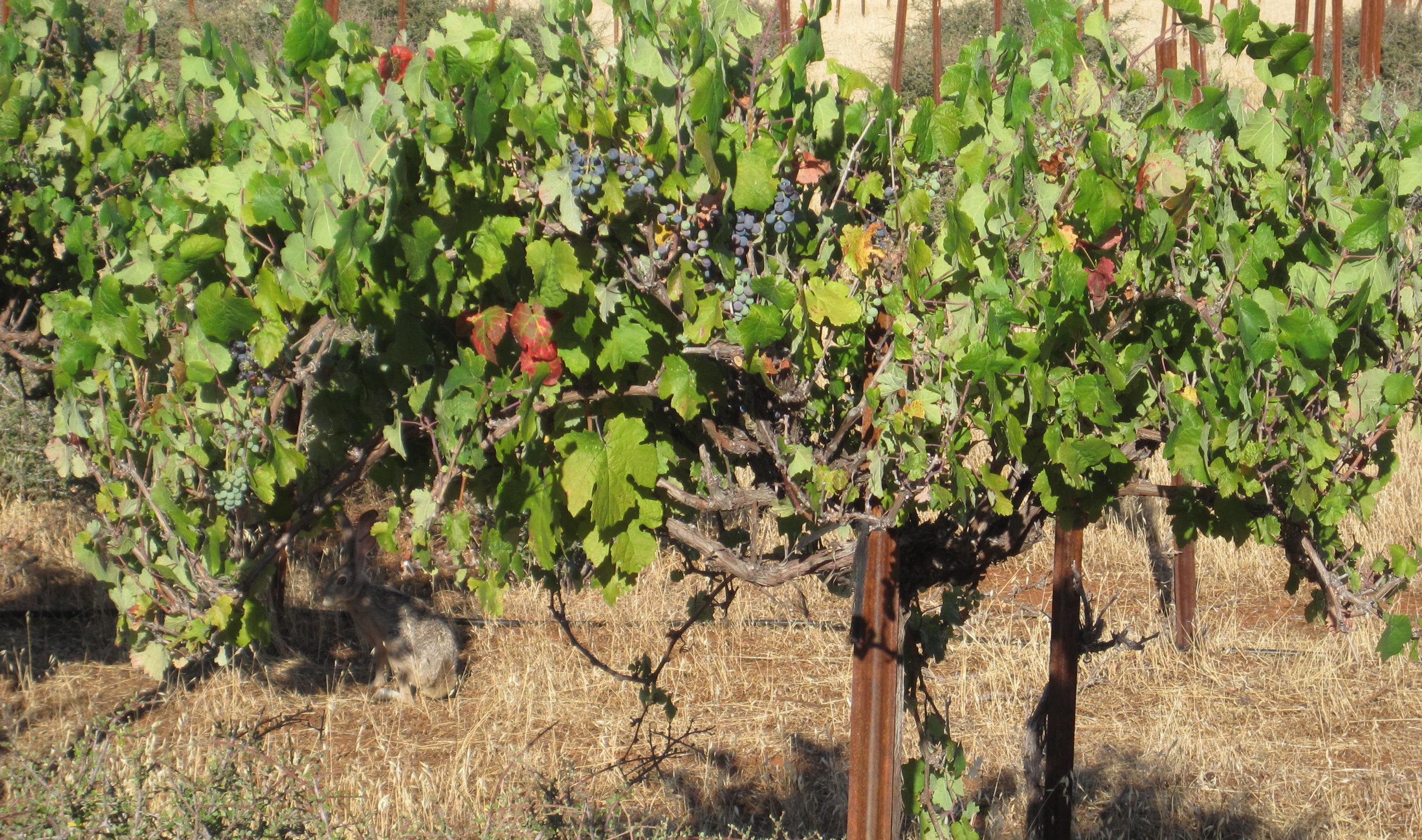
A few hardy vines survived for many years without irrigation, pruned by cattle, deer, rabbits and grasshoppers.
These vines sank their roots deep into the volcanic red clay soil and bore fruit eaten by local wildlife, including many birds, coyotes, bear, deer, grasshoppers, ground squirrels, and wasps. (We still share some of our grapes with the local denizens.)
Enter Dr. John A. Gamon
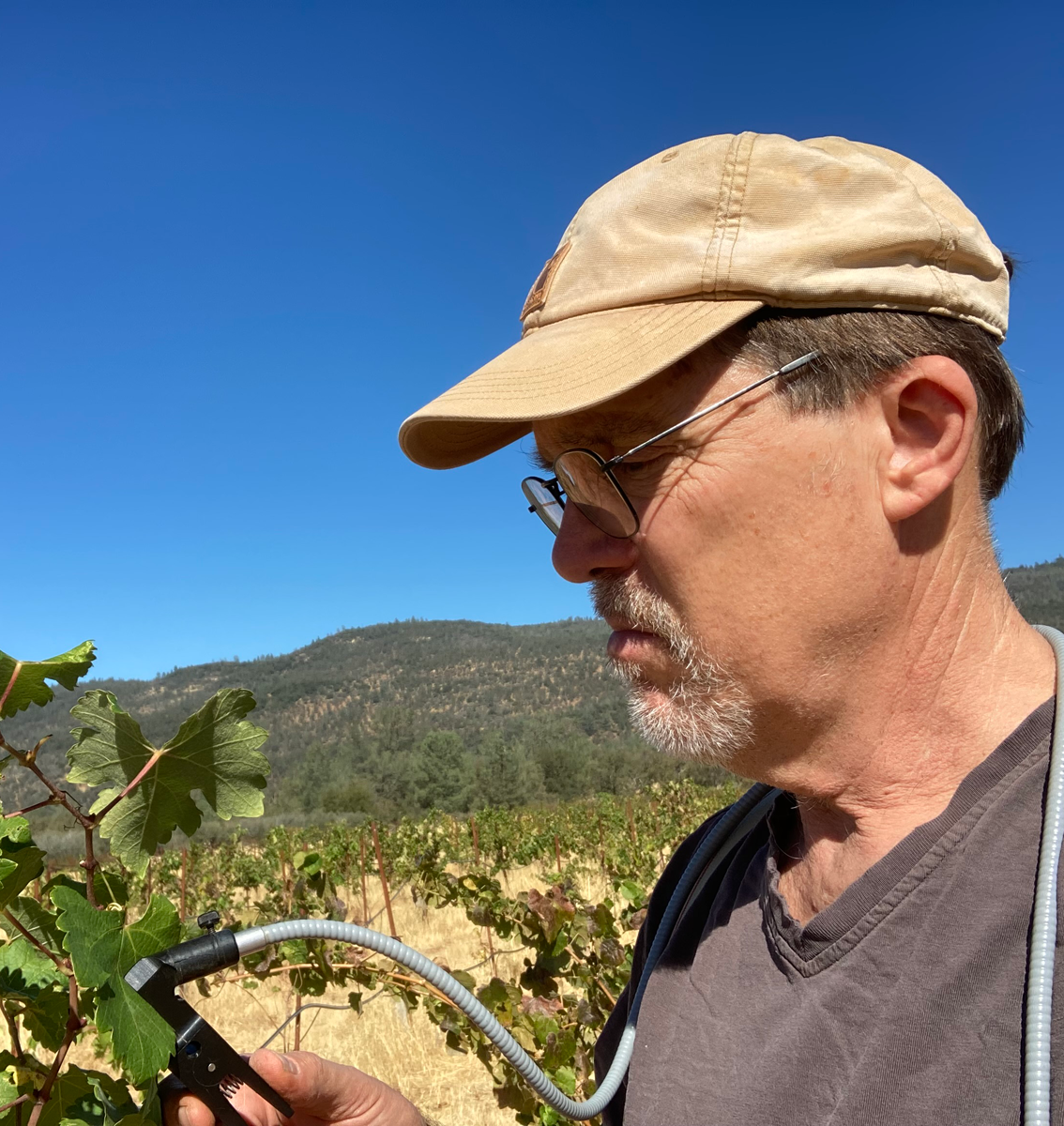
Dr. John A. Gamon, whose life’s work involved studying plants, plant health, and plant response to stress, found these vines particularly interesting. The remnant vines, mostly Cabernet Franc and Petit Verdot, with a few other stragglers survived the heat and drought conditions in Shasta County’s seemingly Martian volcanic red clay terrain. John wanted to know what the wine would taste like from these extraordinary vines. He also wanted to know how other varieties would fare, and which would produce the best grapes that could be farmed with minimal irrigation in the local climate and volcanic soil. He assembled a team including the highly skilled, hard-working, and completely delightful folks at 4Press Services (the best friends our vines have ever had!) and Battle Creek Research was born.
Battle Creek Research today
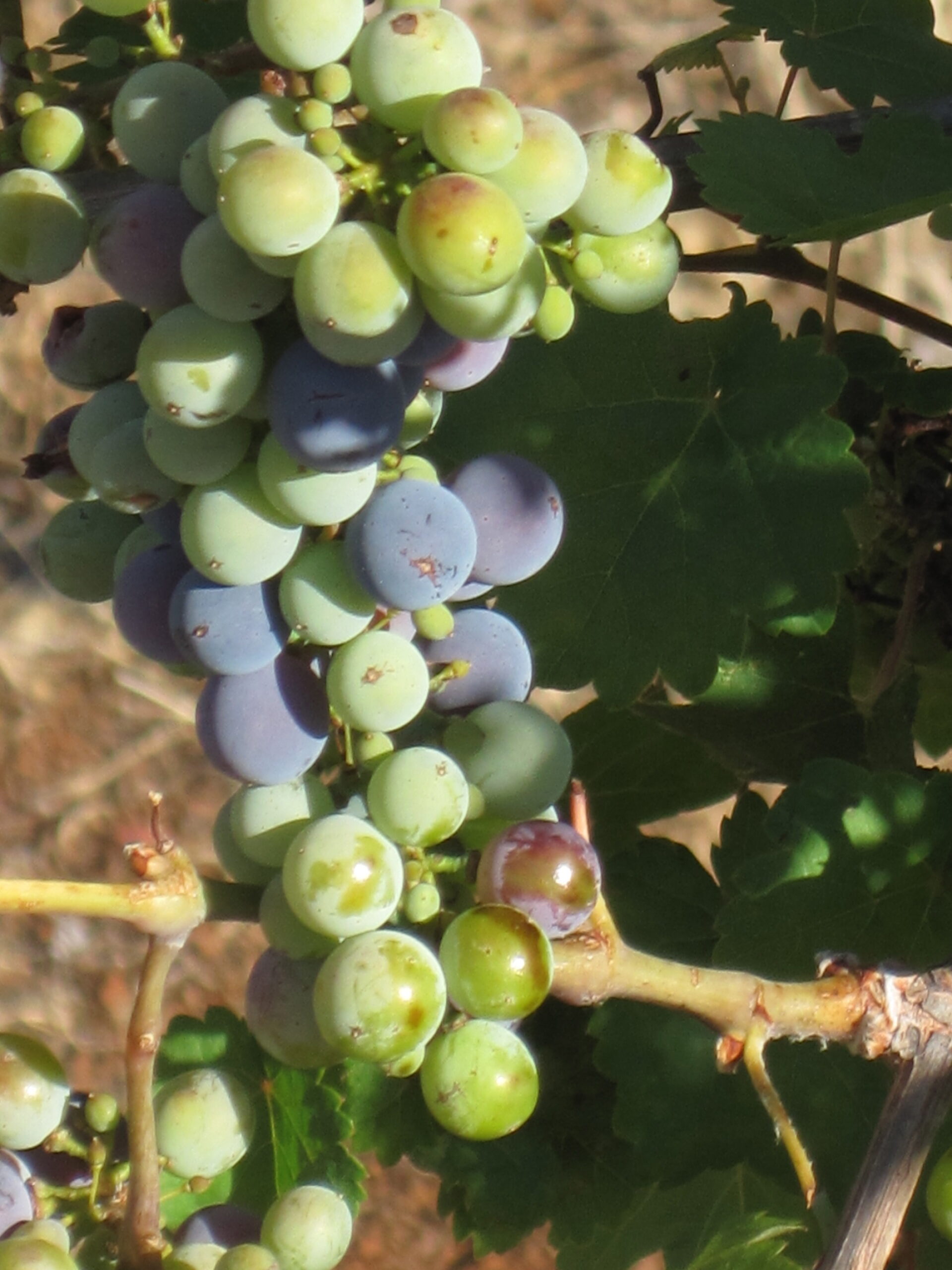
One way John and his team test the vines is by allowing them to do what wine grape vines are supposed to do: make fruit that can be harvested for making wine, then making wine. We grow 36 varieties of grapes, some with multiple clones, each clone with three groups of five replicates (15 individual vines per clone), in our experimental vineyard. The grape varieties (and even some clones) have different personalities; we note these differences in terms of productivity, fruit production, and resilience to heat and drought. We are fascinated by the different personalities of the various grapes.
Future research will apply contrasting irrigation regimes to discern which vines perform best under conditions of heat and drought, which are expected to become more common in the future. Benefits will include the establishment of protocols for selecting drought-tolerant cultivars leading to demonstrable reductions in water usage while maintaining yield and grape quality. This study will be of wide benefit not only to viticulture, but to other crops facing the challenges of hot, dry conditions.
Taking our cue from the sturdy vines that attracted us to the property, we keep our footprint light, powering most our equipment with solar energy, using no-till agriculture, avoiding pesticides and herbicides, and restoring native flora and fauna in the immediate vicinity of the vineyard. Our philosophy is that a diverse vineyard is a resilient vineyard, and that diversity adds flavor to wine as it does to life.